
“Seventy-seven times.”
Sunday, September 13
Year A, Proper 19, RCL, Track 1
Exodus 14:19-31
Psalm 114
Romans 14:1-12
Matthew 18:21-35

Today we are halfway through Ordinary Time, the season after Pentecost. As we can see, the seasonal color remains green. Many say green reminds us that this season is a time of learning and growth in our faith. Our recent journey through Matthew speaks of living in community especially: morality, accountability, and loving our neighbor. These messages are not meant to be palliative, but to encourage us to grow our spiritual mind, body, and soul. It would be all too easy to want simple messages of encouragement in which we pat ourselves on the back and say, "What a great job we are doing." But Christ did not come to bring comfort to the comfortable. He brings comfort to those who are in need: the suffering, the poor, the widow, the ill. He also comforts those whose lives are at the mercy of others.
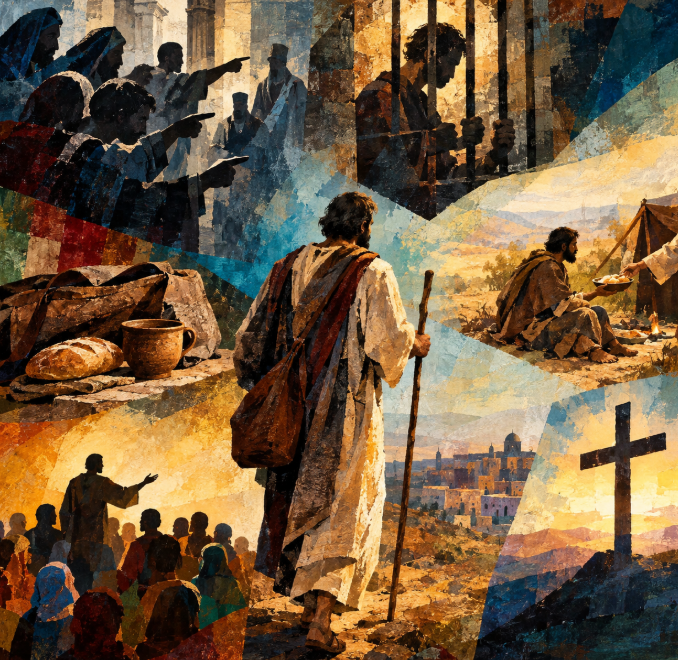
Christ gives us a parable of such mercy in which the lord of the land wants payment on an outstanding debt. But his servant can’t pay. The servant begs for mercy, knowing that the law is not on his side. The lord grants the bidding of mercy. This mercy wasn’t to let the servant go with a payment plan. No, the lord’s mercy was to let him go and forgive him of his debt. For many people, this would bring welcome relief. Clearly, the lord in this parable is analogous to our Lord. It is how our sins are forgiven. When we sin and repent, not only are we freed from the sin, but we no longer carry the burden of that sin. If our story stopped here, we could all celebrate how great things are. But Jesus continues showing us the human condition.
The servant who was un-justly given freedom and forgiveness, turns and demands that his debtors pay him or go to jail. This servant spent no time reflecting on how gracious his lord was to him. He spent no time comparing his situation to another’s. And even though this servant was justified in throwing his debtor into prison and it felt good to give his debtor what he deserved, he lost sight of his own pleadings and feelings of discomfort when asked to pay his debt.
When his lord found out what had been going on, his lack of sympathy, his cold-heartedness, his lord was furious. We find it was now too late to ask for forgiveness again. No do-overs this time. And “his lord handed him over to be tortured until he would pay his entire debt.” There was still hope for this man. He wasn’t put in eternal prison. Somehow, he could still pay his debt and be freed. Then Jesus continues, This is what “my heavenly Father will also do to every one of you, if you do not forgive your brother or sister from your heart.”
So, when Peter asked how many times we are supposed to forgive someone, our Lord says, “Seventy-seven times.” This parable illustrates that we are not to start a tally sheet till we get to 77 times. This number represents far more times to forgive than we think we should. In other words, we should always be ready to forgive, just as our Lord does us.
Forgiving someone isn’t always based on what someone has done to you. If a person whom you do not know seems distasteful or you find them abhorrent, then you might need to forgive them. If you talk badly about someone because of the way they look or how they live their life, you might need to forgive them. If someone is not impacting your life, yet they make you uncomfortable, or offend your eyes, ears, or nose, maybe the problem is not with them but with the standards you have set for others.
In the Church at Rome, Paul finds people “quarreling over opinions.” Some eat meat offered to idols, and others, “the weak”, only vegetables. We should remember that Paul isn’t speaking about physical strength but spiritual strength. It seems that some people raised in the Jewish tradition have not wrapped their heads around eating this kind of meat. So, they stick with vegetables. Those who know Christ’s words know that it is not what goes in our mouth that defiles us, but what comes out.
Paul says it doesn’t matter if you eat meat or not. Don’t look at those who do not consume meat as stupid; they’re just not where you are in their faith walk. And for those who don’t eat meat, just because you don’t understand doesn’t mean you are right either. Paul asks, who are we to pass judgment on each other? Each is eating or abstaining from meat as a way of honoring the Lord. God has welcomed them, and out of respect, we should respect them and the way they honor God.
“Why do you pass judgment on your brother or sister?” says Paul. “Or you, why do you despise your brother or sister? For we will all stand before the judgment seat of God. For it is written,
‘As I live, says the Lord, every knee shall bow to me, and every tongue shall give praise to God.’
So then, each of us will be accountable to God.”




Comments